
Privacy Concerns About Using AI
The ever-evolving AI landscape raises important considerations around personal privacy and data security that users must learn to navigate carefully and responsibly. AI systems rely on large amounts of data, much of it collected through user interactions and publicly available online content, to improve services, personalize experiences, and support advertising. While this is a common practice across the internet, understanding how this data is gathered and used is an important step in protecting personal information. Additionally, it means that we need to be thoughtful about the information we choose to share and how it may be used beyond its original purpose.
Risks
Using online services often requires sharing some personal information, such as email addresses, birthdays, or shipping details. While this information can be beneficial, it can also contribute to a broader digital profile of users. However, more sensitive types of data, such as voice recordings, images, and videos, present additional concerns. Advances in AI have made it possible to manipulate such data in ways that can be used for identity theft, fraud, or extortion. (You can learn more about deepfakes here.)
In addition, AI is increasingly used in decision-making processes, such as hiring or security screening using resumes, photos, and videos. While it is being used to screen applicants for jobs and help companies speed up hiring processes, there have been times when the AI used has caused unfair bias. For example, Amazon infamously integrated its own AI hiring tool only to find out that it was biased against female applicants. Similarly, AI is being used in public surveillance to identify criminals, but some facial recognition systems have faced scrutiny for racial disparities across different demographic groups.
A broader concern is the gradual normalization of extensive data collection. As we become more accustomed to sharing information, it can be easy to overlook how much data is being collected and how it may be used over time. We must continue to be mindful of what information we make public and make informed choices about our digital presence.
Practical Steps to Protect Privacy
- Be selective with sign-in options when using AI:
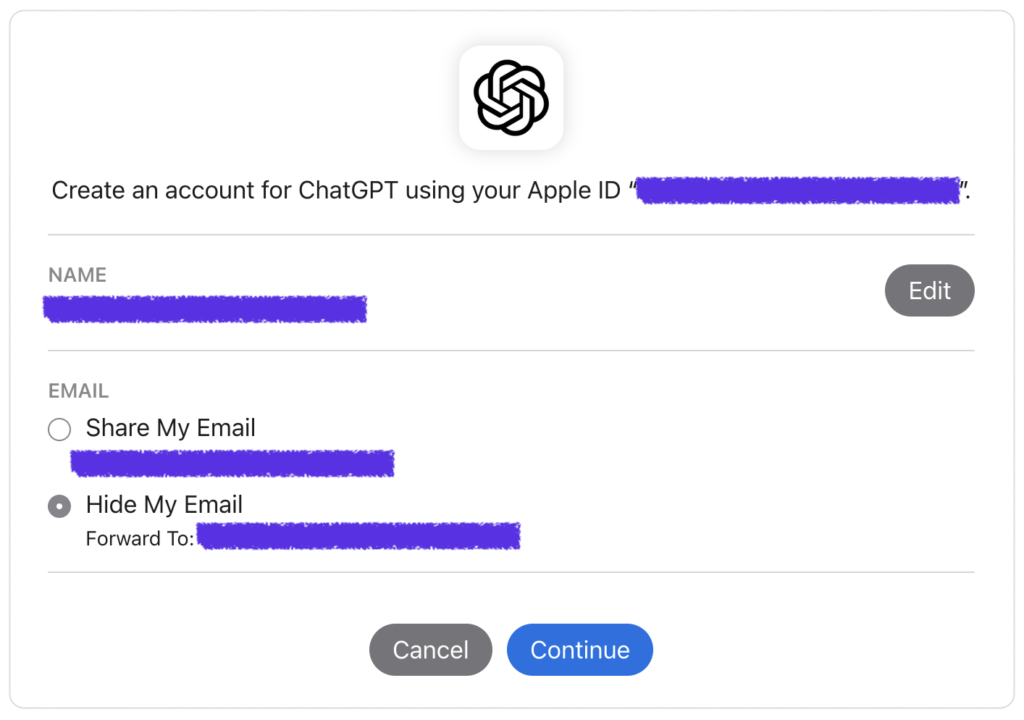
Create accounts with an email address rather than using third-party sign-ins (e.g., Google or Facebook). If using Apple ID, select “Hide My Email” to add an extra layer of privacy.
- Use privacy-focused features:
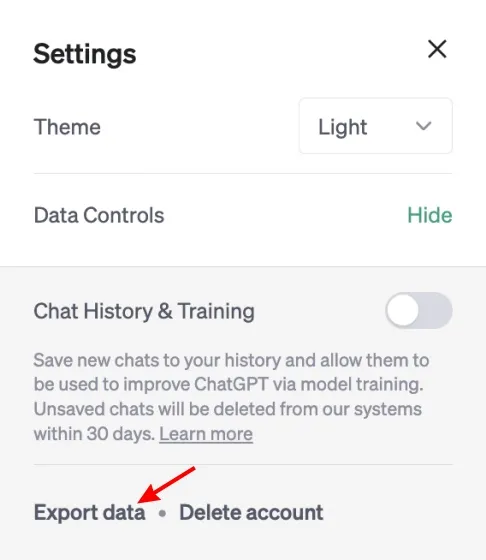
Some AI platforms offer options such as temporary or non-saved chats. These can help limit how interactions are stored or used and prevent tracking.
- Review data usage settings:
When available, opt out of having your data used for AI training. By opting out, you generally prevent AI companies from using your interactions to train their models. However, not all platforms offer this option, so it is helpful to review privacy policies.
- Manage device permissions:
Regularly check and limit access to sensitive features such as your microphone, camera, location, and photos in your device or browser settings and disable automatic data-sharing.
- Share thoughtfully:
A good general guideline is to avoid sharing information you would not be comfortable making public. Minimizing the amount of personal data shared reduces the likelihood of it being reused or distributed.
For more information about data privacy and consumer protection, visit the Federal Trade Commission’s website.